
Why Is Flour Composition So Important To Breads And Rolls?
December 22, 2016 | 2 min to read
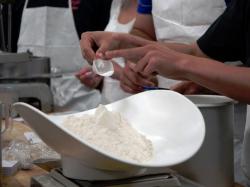
When you talk about ingredients that play an important role in bread and roll products, wheat flour is the single most important and most basic ingredient. It is the dominant ingredient in bread and rolls. Flour’s main function is to provide structure. The major components of flour that provide structure for breads and rolls are starch and proteins. Wheat flour is primarily carbohydrates in the form of starch averaging about 70% of the total flour. Total protein content in a typical bread flour will range between 10.5 to 13%. So you can see that starch and proteins make up the major proportion of the flour’s composition with moisture, hemicellulose (pentosans), sugar, cellulose, lipids, fiber, minerals, and vitamins being the remaining components of the flour’s composition.
Bread flours are typically milled from hard wheats (Hard Red Spring, Hard Red Winter, and Hard White) because of the protein and protein quality which hard wheats possess. Protein content for bread flour is usually between 10.5-13%. In the minds of bakers and flour millers, much of this protein equals gluten-forming protein. The key gluten-forming proteins in wheat flour are glutenin and gliadin proteins. When glutenin and gliadin are hydrated and mixed with water they form gluten. While it is true that most of the protein in wheat flour is gluten forming protein there are some non-gluten forming proteins such as albumins, globulins and proteoses. Normally the higher the protein level of the flour the better the expected quality of the flour, but quality does not always increase with protein quantity. Protein quality is measured by the ability of the gluten to expand properly and retain gas in such a way to produce a quality product.
To read the rest of the story, please go to: AIB International